
Prohibition in Washington State went into effect 110 years ago this year, outlawing the manufacture and sale of liquor across the state.
The business of regulating alcohol had been a concern of Seattle city government since the city’s incorporation in 1869, when the very first ordinance passed was to establish penalties for public intoxication. Ordinance 10 followed a month later, requiring saloons and “drinking houses” to be closed on Sundays. City government was also responsible for granting or denying applications for liquor licenses to dance halls, cabarets, saloons, and related businesses.
Although these rules had existed in Seattle for many years, the complete and widespread outlawing of liquor was not popular with voters in the city. But when the state went dry in January 1916, Seattle was forced to comply.
Soon after, illegal drinking soared and city officials struggled to keep up with enforcement of the new laws. Local rumrunners and bootleggers took advantage of Seattle’s boundary waters and proximity to Canada to keep a growing number of customers supplied. City liquor ordinances were revised more than once, and emergency funds released to cope with budgetary constraints. A dry squad unit of the Police Department was established and conducted regular raids of homes and businesses.
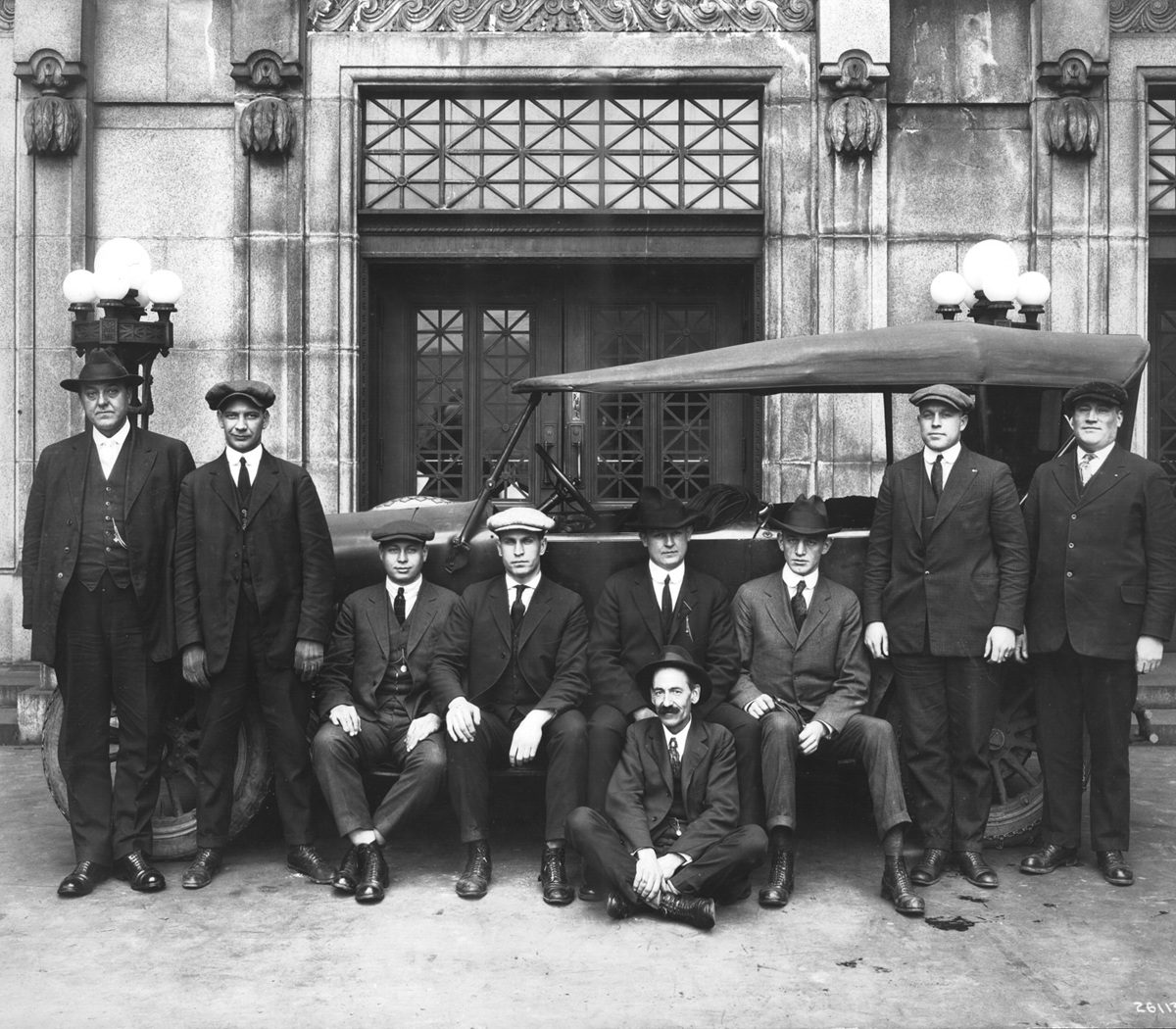
Demand increased after national prohibition took effect in 1920. Despite persistent accusations of police corruption and active complicity among city officials, Seattle continued to revise city liquor ordinances and increase enforcement efforts alongside federal officers.
After over 15 years of statewide prohibition, public support waned and Washington voted to repeal on November 8, 1932. Federal prohibition ended on December 5, 1933.
Learn more about liquor-related crime and punishment during Seattle’s “dry years” and see a full list of related records held in the archives at our Digital Document Library on Prohibition in Seattle.